Router
A common use for a router is when it's involved in a mesh topology, it then acts as a junction Point for the information to pass between. The router creates a pathway in order for the information to transmit through its neighbours, this also allows the router to remember it neighbours. The way most people use is routers is when they are connecting to the internet, to do this you will need an Ethernet cable and to log in to the router itself, although this is not always the case as the phone line will automatically connect you to the internet.
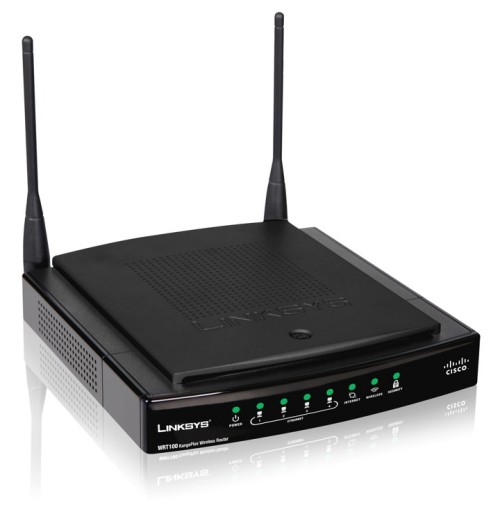
Hub
Hubs are dumb devices, unlike a router which is a smart device. A router floods the network with a signal and all PC’s connected to the hub will receive the signal. The fact it floods a signal to all devices means anyone could connect and listen in. Once someone is using the hub others on the network must wait for the hub to finish with the current PC before they can receive the information.

Bridge/Repeater
Bridges connect parts of a network together making it similar to a hub. They are used to boost the signal over long distances, but this means there is a chance of the data getting lost. Repeaters work in much the same way, boosting the signal if it doesn't reach the computer you need it to.

Wireless Access Point
A wireless access point boosts the wireless network range. It absorbs the signal from the wireless modem and retransmits it at a more powerful signal.

Switch
A switch is like a hub but a smarter version, a hub can only connect to one computer whereas a switch can connect to multiple computers at once.


No comments:
Post a Comment